By Darrell Halen
MethuenLife Writer
Over a century, St. Ann’s Home, whose construction was funded by people in the community who paid 10 cents per brick, has evolved from an orphanage to a multi-faceted educational institution that works with special needs students who live there or reside in the community.
The mission of the school, which opened on Christmas Eve 1925 as an orphanage run by the Sisters of the Good Shepherd, is to educate, nurture, rehabilitate, support and advocate for children, adolescents and young adults who face serious behavioral, emotional and mental health challenges and learning disabilities, according to the school’s website.
Some of these specific problems include mood disorders, anxiety disorders, attention-deficit/ hyperactivity disorder (ADHD), oppositional defiant disorder (ODD), post-traumatic stress disorder (PTSD) and reactive attachment disorder (RAD), a condition in which a child can’t form healthy emotional bonds with caregivers because of abuse, neglect or frequent changes in caregivers.
According to the school, the staff helps youths overcome their disabilities in the least restrictive settings by collaborating with them, families, community and state agencies and resources. High-quality and state-of-the-art programming and services are used.
“Our goal is to not have kids live here and not go to our school. Our goal is to keep them here as short a period of time as possible, get them in the least restrictive setting as soon as possible,” said President and CEO Joseph Cronin. “We want kids to be back in public school. We want kids to be successful in families, whether it’s their own family or a foster home or an adopted home.”
According to the school’s history, St. Ann’s, which also served as a rest home for elderly women and is located at 100A Haverhill St., has changed through the years to meet the changing needs of the child welfare system.
Its reorganization as a residential treatment center for children with serious behavioral, emotional and mental health challenges occurred in 1966.
St. Ann’s launched its group home program in 1972 and, a year later, it established its education and day school programs.
In 1982, the facility began to provide for more than 150 residents while serving over 140 students in education and day school programs and more than 300 families.
“I think the big shift has been to have more services in the community. Get kids with their family, open group homes, getting them ready to return home or get them ready for a foster home,” said Cheryl Macinanti, the senior residential program director. “That’s been the big shift – shorter stays, trying to get these kids back in a family situation, whether it’s a biological or a foster family.”
The multi-building school campus, featuring two large multi-floor buildings, which were dedicated in front of a large crowd in 1925, today has an outdoor amphitheater, a playground, a playing field and bike path, a splash pad, a community garden and a gazebo.
According to St. Ann’s, its residential and education program provides a safe, 24-hour therapeutic environment for young people who require intensive therapeutic services. They live on the main campus or in one of its community group homes and attend its special education school on campus.
The group home program provides a safe and therapeutic setting for students who can attend school in the community.
St. Ann’s education program serves youths, age 5 to 17, who have significant behavioral, emotional and social and/or academic problems. Problems include withdrawal, anxiety, hyperactivity, aggressiveness, mood disorders, immature behavior, poor social skills, poor academic development, poor relationships with peers and authority figures.
The school has more than 100 students, referred to St. Ann’s by their current school district, who receive educational and therapeutic services.
The day treatment program runs 180 days per year. There is also a 36-day summer program.
The staff includes teachers, teaching assistants, nurses, clinicians and other specialists.
St. Ann’s outpatient programs enable the staff to meet the people they’re helping “where they are” – the physical location and their therapeutic needs.
Serving most of Merrimack Valley, therapists provide individual therapy, family work, and collaborate with schools and others to provide a comprehensive approach to mental health and well-being, according to the agency.
St. Ann’s Community-Based Acute Treatment Program (CBAT) is a short-term stabilization program that is as alternative to or step down from a psychiatric hospitalization. Boys and girls reside in a dedicated CBAT unit on the main campus. The goal is to stabilize them while they receive intensive therapeutic and psychiatric services during a brief stay.
The Transitional Care Unit is a program for youths who require less acute treatment and additional time to return to community, according to St. Ann’s.
Children are referred to St. Ann’s by school districts, state agencies, clinicians, hospitals and social service organizations. The school accepts referrals throughout the United States. Most come from Massachusetts and New Hampshire.
“We are always trying to assess what the current need is at any given time. And I think the success for us to provide services is being able to be very flexible and fluid, and change as needed,” Cronin said. “What’s today’s problem is, it could be different next year. We try at any given time to do assessments, listen to families, listen to community members.
“We’re hoping that (youths) can be part of a family, maybe not a typical type of family but it could be an extension of that. It could be friends, neighbors, coaches, something that they can be connected to.”
“Ultimately the goal is permanency but I think we’ve set it up so there is a continuum of support here,” added Chief Operating Officer Robin Duguay. “We like to see them, if they can’t go home, be able to move through our continuum of services so that they’re over time needing less and less therapeutic support.”
Some of the funding that St. Ann’s receives comes from the state and school districts. Insurance can cover some services.
The public can financially support the school and home through wills and trusts, raffles, golf tournaments and other means, according to St. Ann’s. Donations can be made online.
One key supporter over the years has been the Methuen Exchange Club.
“The Exchange Club has worked very hard to make sure our kids can experience things that other kids sometimes might take for granted,” Cronin said. “They give the kids an experience in the community they might not get otherwise.”
According to Brad Jones, a club former president, the group has positively impacted children in several ways. Each fall, the Exchange Club provides backpacks to students that include crayons, markers, three-ring binders, folders and other supplies. For several years, the club treated students and staff to Lowell Spinners baseball games, and financially supports the purchase of Christmas gifts. Annually, the club treats kids to mini golf and ice cream at Jay Gee’s Ice Cream and Fun Center. The tournament is named after the club’s late member Arthur Hutton.
“When we can do something to help the kids, that’s what we (like) to do,” Jones said. “The kids are very respectful, pleasant, always thankful.”
Both Cronin and Duguay give high marks to the staff, which numbers around 400.
“It’s amazing how long they stay here,” Duguay said. “You’ve got a lot of folks here 30-plus years, are so committed to the kids who live here and the families who are supporting them. You’d like to think it’s like that everywhere but it feels very unique to St. Ann’s.”
“They’re the backbone of our agency. Kids get taken care of,” Cronin said. “They’re dedicated, committed, trained, willing to give a lot of themselves.”
“I think what’s important to me and to the agency and the staff is we always want to make sure we’re doing what we say we’re doing,” added Cronin, who said the team doesn’t want to water down services. “We want to be really good at what we do.”
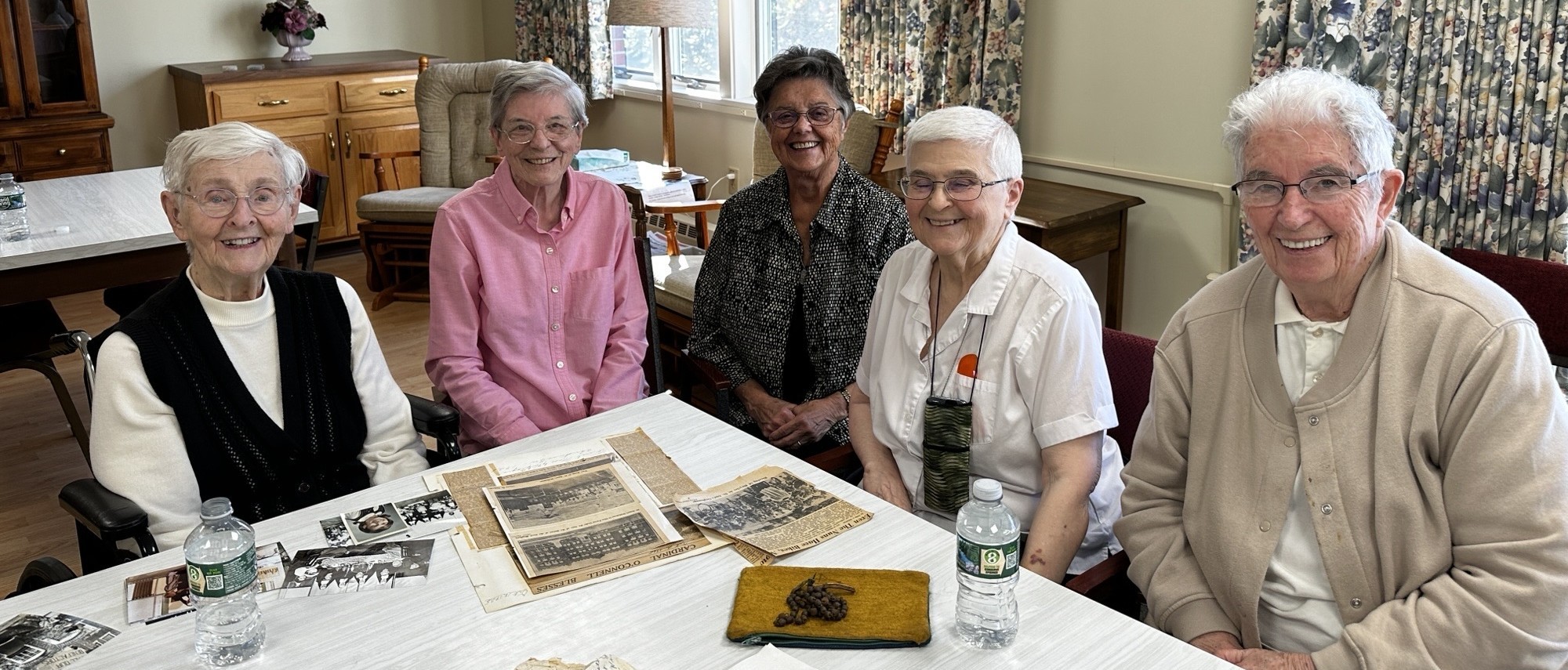
Here’s a current photo of the Good Shepherd Sister who used to work at St. Ann’s taking care of the children in the 1950s and ’60s. Shown are (from left) Sister Arlene Gaudette, Sister Simonne Janelle, Sister Terry Gauvin, Sister Maureen Egan and Sister Priscille Roy. They now live in Maine and still help those in need due to human trafficking and domestic violence as well as reacclimating people released from prison. Courtesy photos
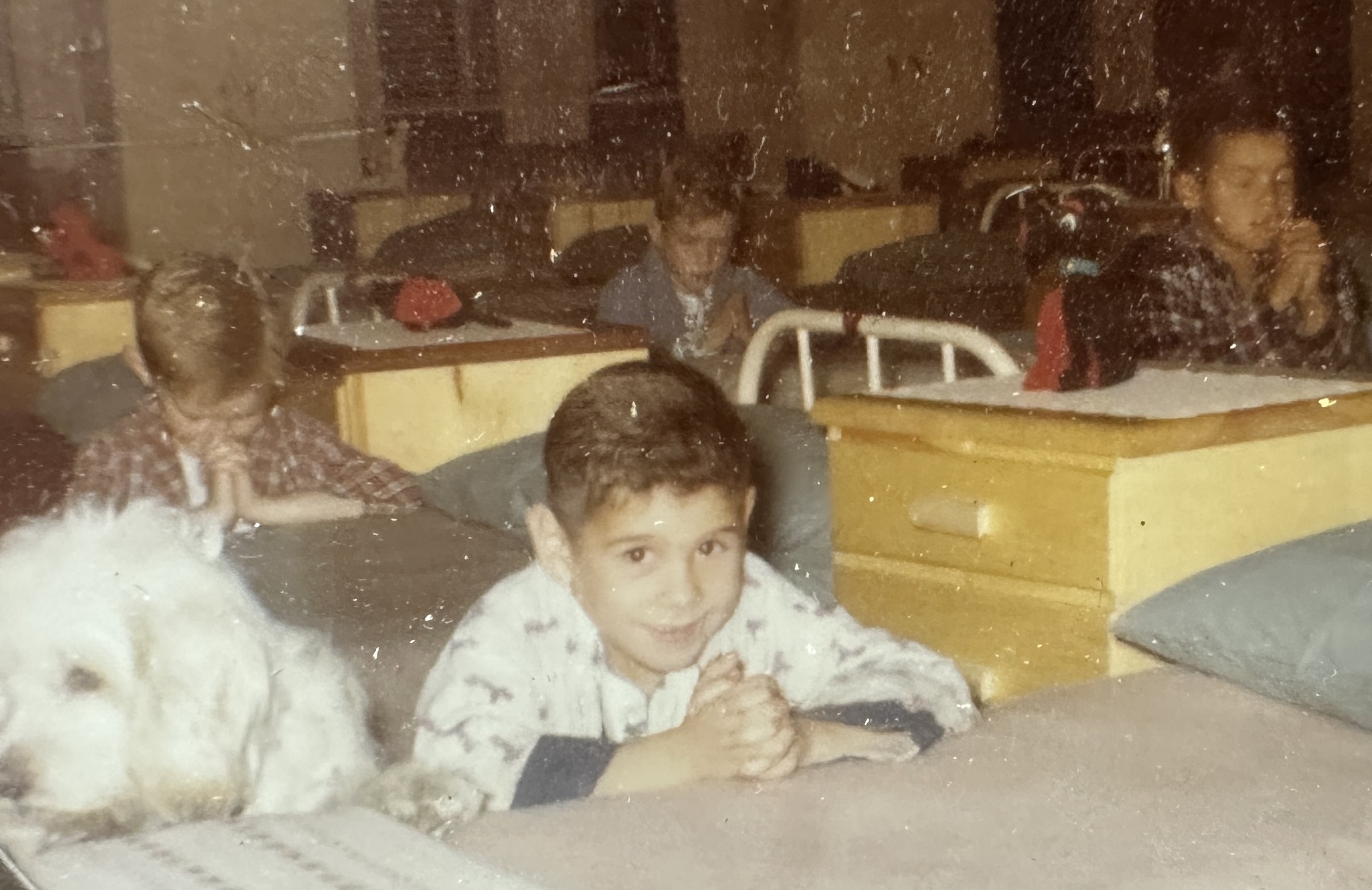
This photo from St. Ann’s Orphanage and School shows boys in the mid-1950s saying their prayers. The nuns also used to take in and care for stray dogs. Courtesy photos
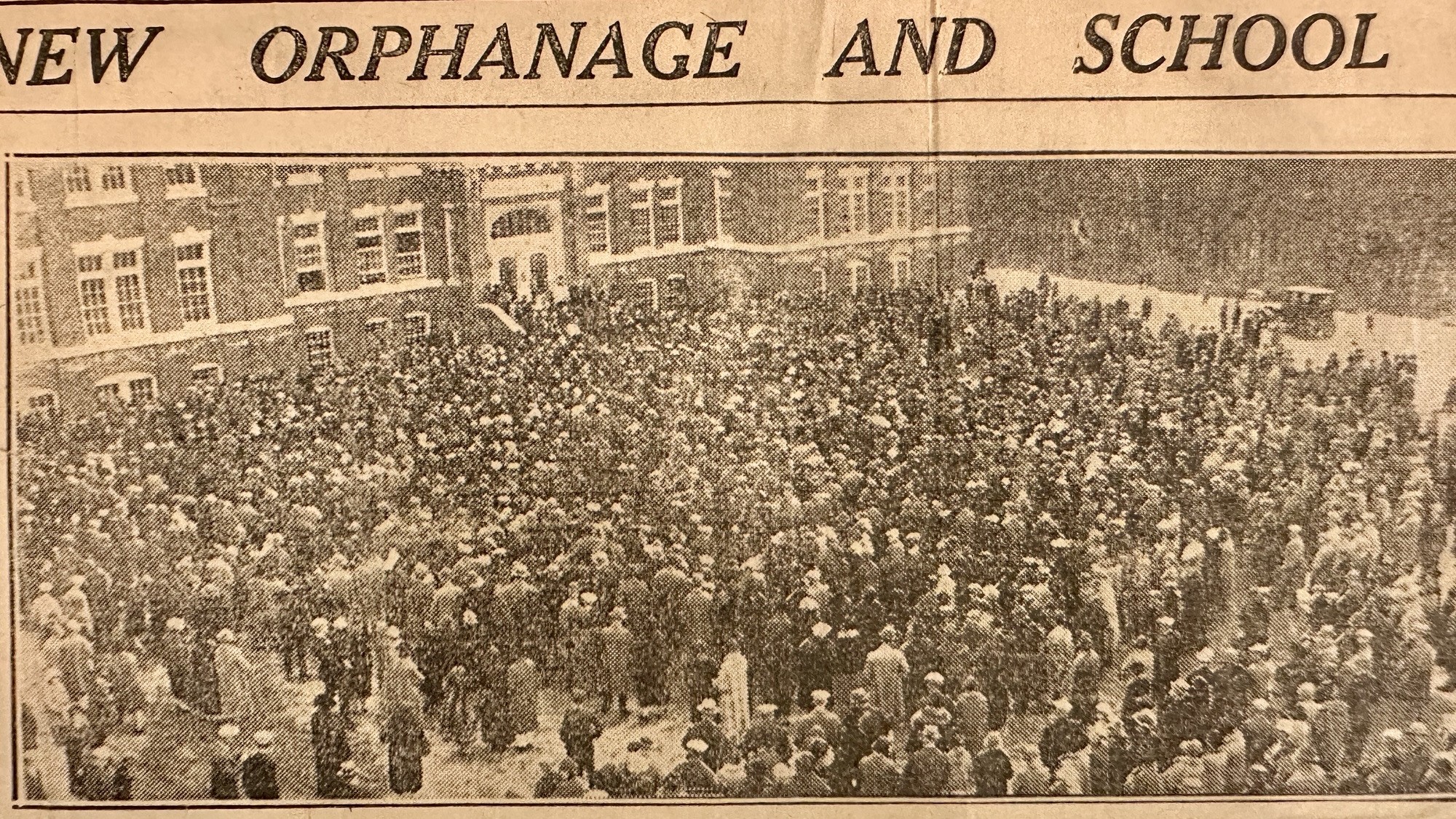
This newspaper clipping from Oct. 19, 1925 show the huge gathering for the dedication of the two St. Ann’s buildings. Community regularly supported St. Ann’s and helped to build it by buying bricks for 10 cents, donating material, and holding “sugar weeks” and card games to raise money.
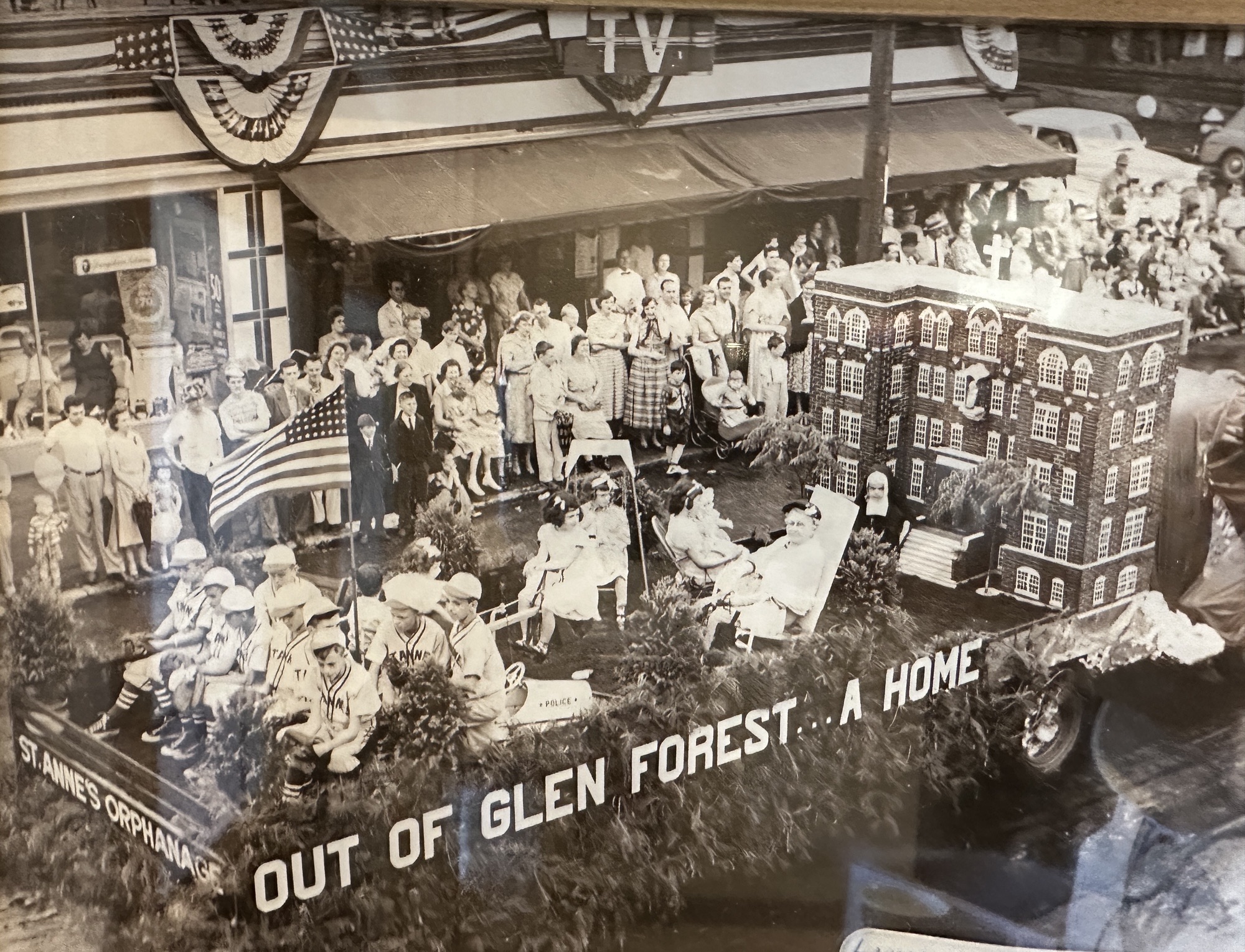
St. Ann’s children and nuns would make floats that appeared in local parades.
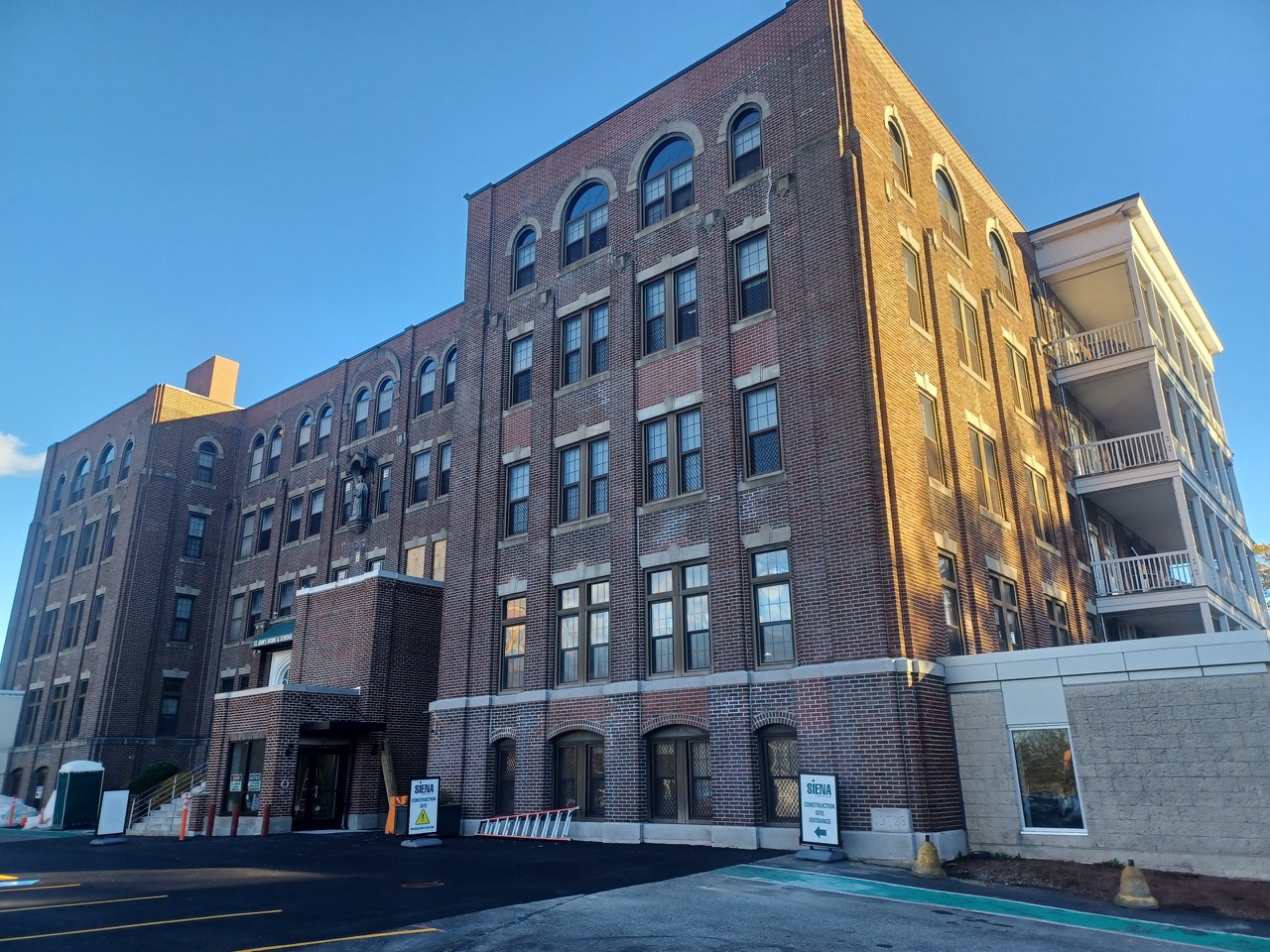
Today, St. Ann’s residential and education program provides a safe, 24-hour therapeutic environment for young people who require intensive therapeutic services. Its staff of about 400 (teachers, teaching assistants, nurses, clinicians and other specialists) cares for 100-plus students who either live on campus or in group homes. ML photo by Darrell Halen