There was a time when family doctors made house calls to sick and injured patients. These were old-time general practitioners who treated patients for ailments ranging from colds to surgeries. Many of them worked from their home and were available 24 hours a day for emergencies. Before hospitals were built, doctors even took patients into their own homes for care and treatment. Methuen had several of these caring and competent physicians in its history. One such individual was Dr. George E. Woodbury.
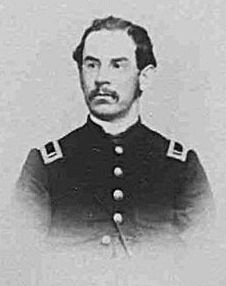
Dr. Woodbury was born in Bedford, N.H., in 1838. He graduated with high honors from Dartmouth Medical School in 1859. His field of study was called “allopathic” medicine, a popular form of general medical practice at the time. But the outbreak of the Civil War soon cast him into a much more intensive field of medical care.
He enlisted in the Union Army in 1861 and served as a commissioned assistant surgeon in Washington, D.C., until the end of the war. Many of the soldiers wounded at the various battle sites were sent to the Washington hospitals for advanced treatment. In his role as surgeon, he would have seen and treated some of the most horrific injuries of the conflict.
After his discharge, he settled in Methuen and started his medical practice here in 1866. His skills as a surgeon were certainly a valuable asset in this booming manufacturing village; accidents were common occurrences in the local factories.
The following year, he married Harriet Reed of Cambridge, Mass. In 1868, he purchased a spacious home at 265 Broadway and established his office there. But the house was not kind to its occupants.
The house was built about 1826 by shoemaker and merchant Moses Merrill. In those days, tuberculosis (then called consumption) was a leading cause of death worldwide. The lives of many Methuen citizens were cut short by the highly contagious disease. Between 1830 and 1841, Moses lost two wives and eight of his nine young children to tuberculosis. He, too, succumbed to it in 1849, as did a stepson in 1850. His third wife, Eliza, was the thirteenth immediate family member to die from the illness, in 1868. It was one of the saddest family tragedies in Methuen’s history.
The Woodburys bought the house from Eliza’s estate. They would have certainly been aware of its history. But more cruel sadness was to befall the new owners.
In 1877, the Woodburys were a big news item in the area when Harriet gave birth to quadruplets. Sadly, three of the babies died of debility within eight hours. The fourth child died 18 days later of the same cause. The couple had two other children who survived into adulthood.
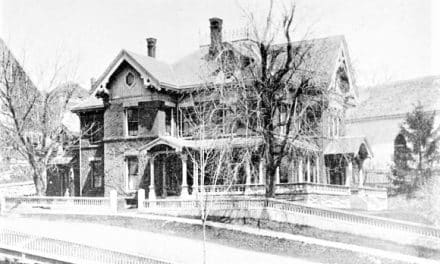
By the turn of the century, Dr. Woodbury had a large addition built onto the back of his house, possibly to accommodate patients. With an attractive porch on the front and right side, it was one of the prettiest homes in the village.
He continued to run his practice from his home until he died in 1909. He was highly regarded in the community. He was a founding member of Methuen’s Civil War veterans’ group, the Col. William B. Greene Post 100 of the Grand Army of the Republic (GAR). Although he held no public office, he was a trustee of the Nevins Library and the Henry C. Nevins Home for the Aged. Harriet continued to live at the Broadway home until just before she died in 1926. George and Harriet were buried with their babies at the Walnut Grove Cemetery.
The former Merrill/Woodbury house at 265 Broadway is now occupied as a law office.
Dr. Woodbury is also noted for designing a handsome buckboard carriage, which he likely used to visit his patients. It was unique in that it had a long, resilient board for suspension instead of springs. This very same carriage has been fully restored and is currently in storage at the Henry Ford Museum in Dearborn, Michigan. Copyright laws prevent showing it in this article, but it can be viewed online at thehenryford.org and searching for “Woodbury Buckboard.”
Ken Doherty is a lifelong resident of Methuen. He served on the Methuen Fire Department from 1980 to 2010. He is the Fire Department historian and a former member of the Methuen Historical Commission. He wrote “Á History of Methuen and its Fire Department” in 1996. He is retired and still living in Methuen with his wife, Paula.
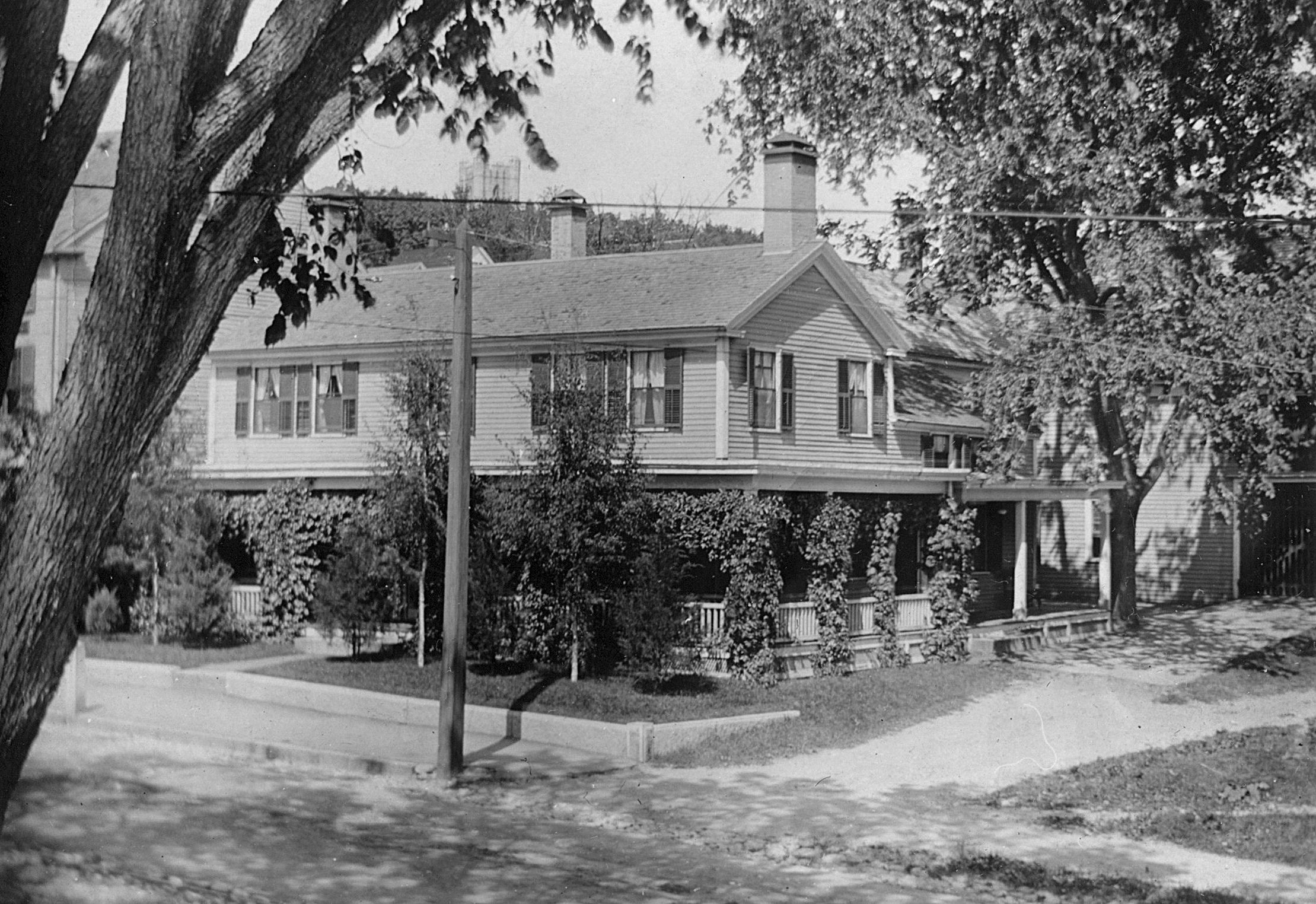
Dr. George E. Woodbury Home at 265 Broadway is shown here around 1875. The highly respected doctor treated patients in his home until his death in 1909. Courtesy photo: Methuen Historical Commission Archives
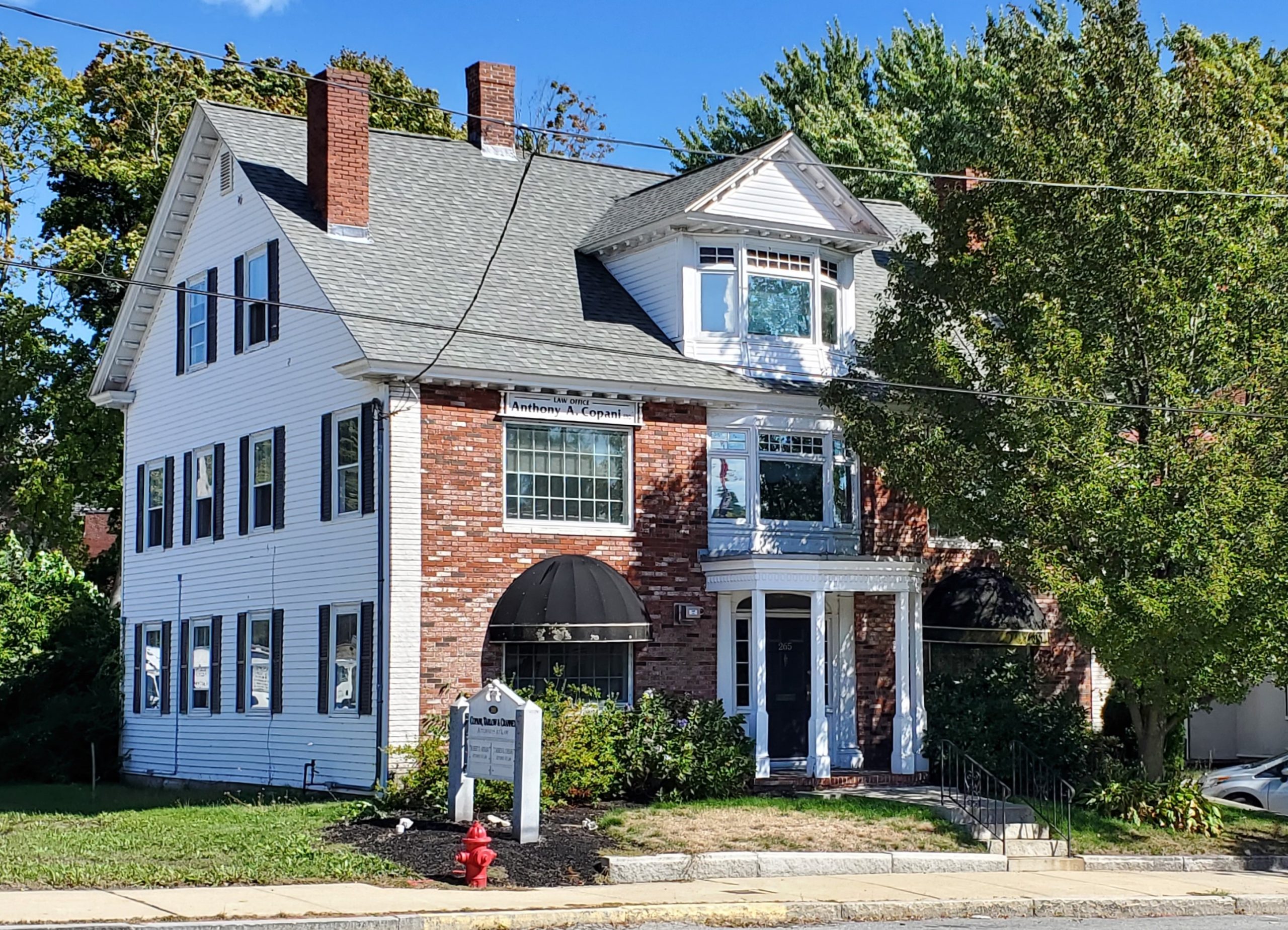
Here is 265 Broadway today. Photo by Ken Doherty